Deepwater production is not limited by the reservoir alone. It is constrained by how the entire system behaves. Optimizing production from these systems requires understanding not just reservoir performance, but how fluids move through wells, subsea networks, and surface facilities under operational constraints.
In this study, Petronas applied an Integrated Production System Modelling (IPSM) workflow using CMG CoFlow and CMOST to optimize a complex offshore asset in Malaysia.
Outcomes
- 40x faster simulation runtimes compared to legacy solution
- 16+ year production forecasting capability
- 5% increase in cumulative oil production through optimization of gas injection volume
Why Integrated Production System Modelling (IPSM)?
In reality, production is controlled by the interaction of subsurface and surface systems under constraints.
IPSM enables:
- Simultaneous modeling of reservoir, wells, and facilities
- Dynamic constraint handling (gas, water, pressure)
- Capturing of interaction effects across the entire system
- System-level optimization
The Challenge: Fragmented Models, Limited Insight
Petronas’ “G” Field is a large deepwater development offshore in Malaysia characterized by:
- Oil rim management with simultaneous water and gas injection since 2015
- Gas compression system, gas re-injection and water injection systems
- Shared production and injection facilities and complex subsea infrastructure
Traditional workflows relied on:
- Separate reservoir and network models
- Custom scripts for coupling
- Sequential simulation processes
This resulted in:
- Long runtimes (>24 hours for a 3-year forecast)
- Disconnected workflows across disciplines leading to difficulty in incorporating model updates
- Limited ability to run optimization scenarios leading to missed optimization opportunities
- Overestimation of Production
Solution: CMG CoFlow IPSM workflow
CoFlow enabled Petronas to move from fragmented, sequential workflows to a fully integrated production system model, where subsurface, wells, and facilities are solved simultaneously under real operational constraints.
Model Overview
The asset consists of:
- Two primary reservoirs (P and U)
- 26 wells (12 producers + 10 water injectors + 4 gas injectors)
- Complex subsea and surface network
- Gas reinjection and water injection systems
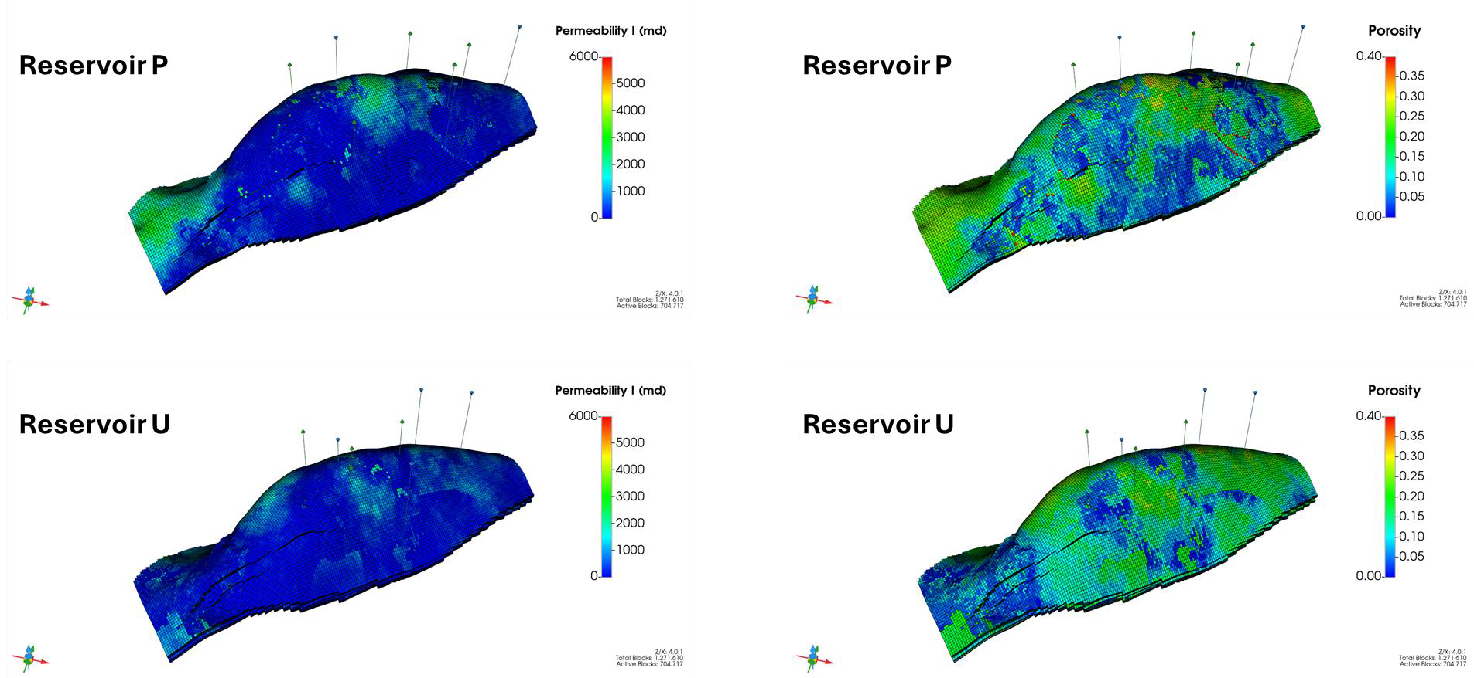
Figure 1: Permeability and porosity distribution map for Reservoir P and U.
1. Production Must Be Modeled End-to-End
The model captures:
- fluid flow from reservoir → well → seabed → platform
- pressure drops across flowlines and risers
- separator constraints and back-pressure effects
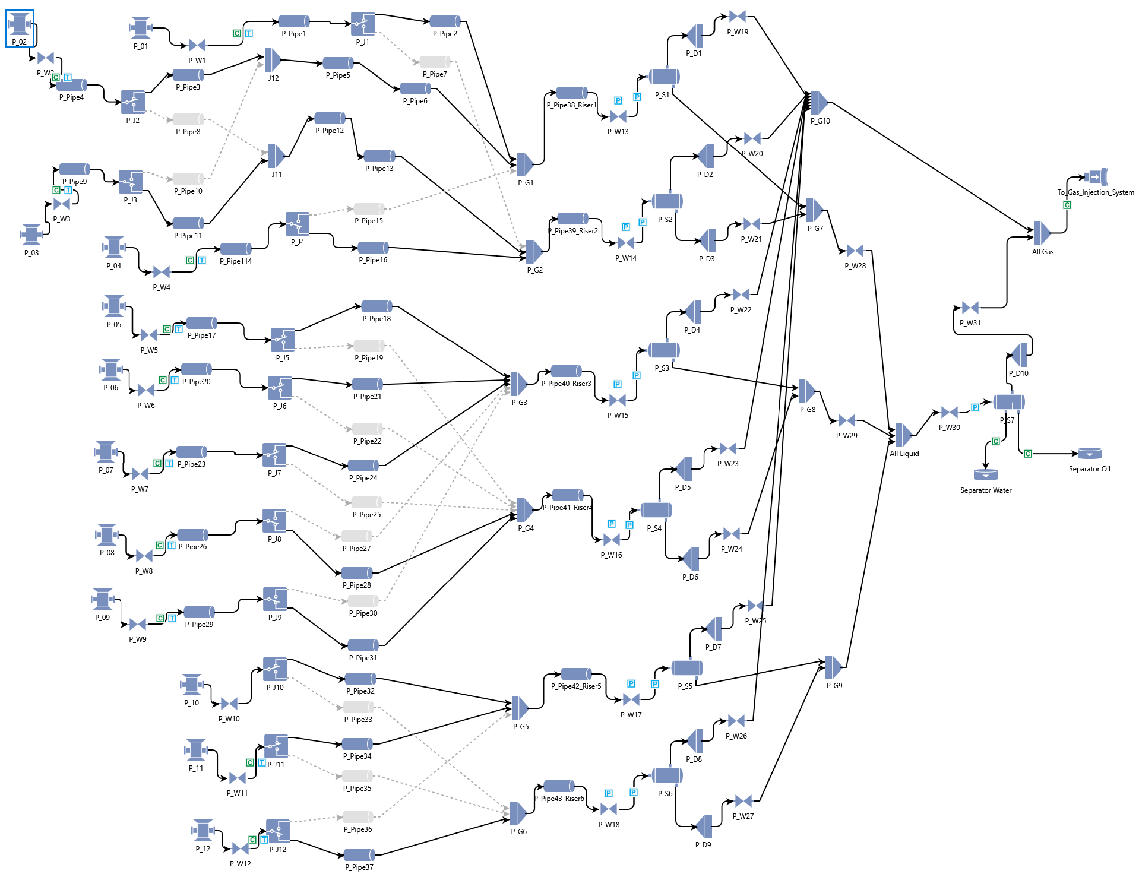
Figure 2: CoFlow network model #1 – Production System
CoFlow models the full production system, including subsea flowlines, risers, and the semi-floating production system (sFPS) which houses the separators. This allows accurate calculation of pressure and temperature losses and captures the impact of facility constraints on production. This enables a true end-to-end simulation
2. Facility Constraints Govern Production
Production is limited by:
- Gas handling capacity (300 MMSCF/day)
- Oil and water processing limits (165 kbpd and 90 kbpd respectively)
- Separator pressure constraints
In addition, well rate and pressure constraints are also present in the system. The system dynamically adjusts production allocation based on these limits.
3. Intelligent Gas Reinjection Strategy
A custom Gi/Gp (Gas Injection / Gas Production) algorithm:
- controls reinjection into reservoirs
- balances pressure support and production
- dynamically reallocates gas between reservoirs to maximize oil production
Key Results
1. Surface Constraints Control Production
Gas production quickly reaches the facility constraint of 300 MMSCF/day, becoming the dominant limiting factor.
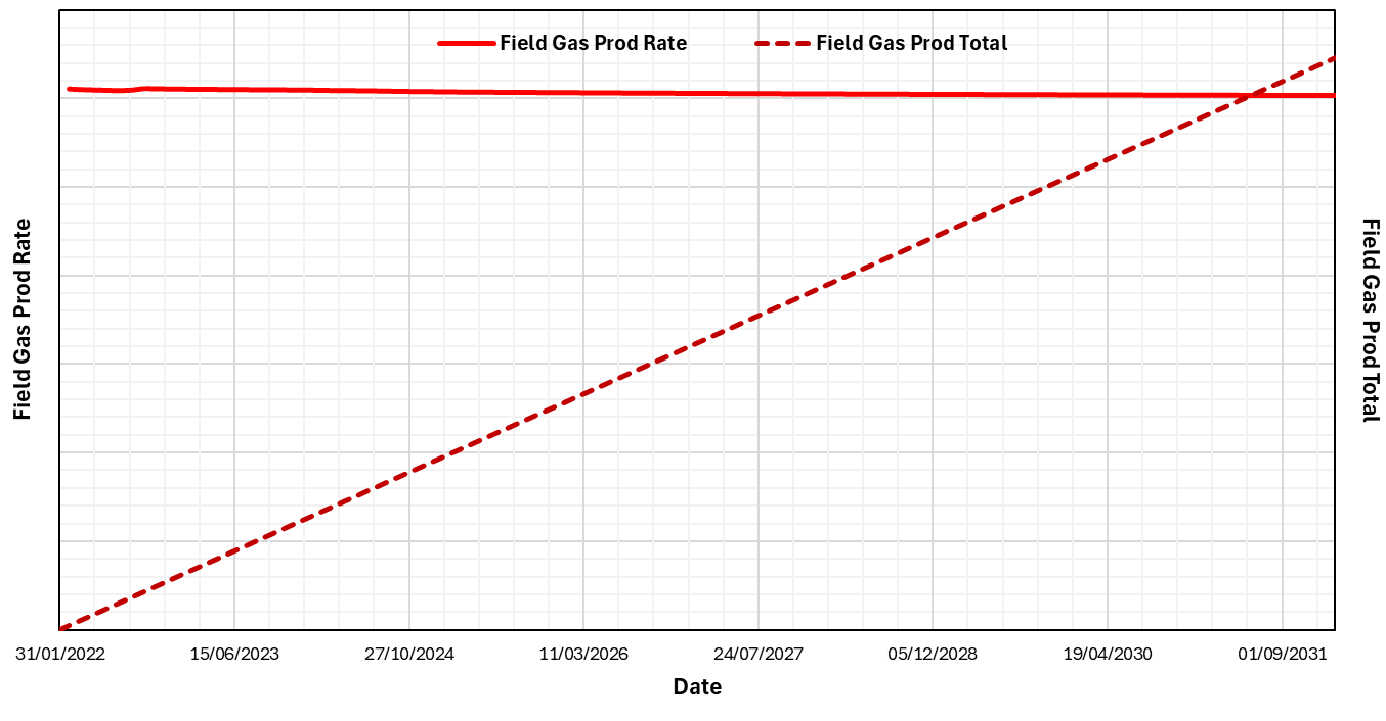
Figure 3: Field gas production rate and total
Insight: Production optimization must prioritize allocation from low-GOR wells to stay within gas handling limits.
2. Wells Are Dynamically Controlled by the Network
Wellhead pressure and production rates are dynamically adjusted based on:
- downstream pressure drops
- separator constraints
- Well minimum Top Hole Pressure (THP) limits
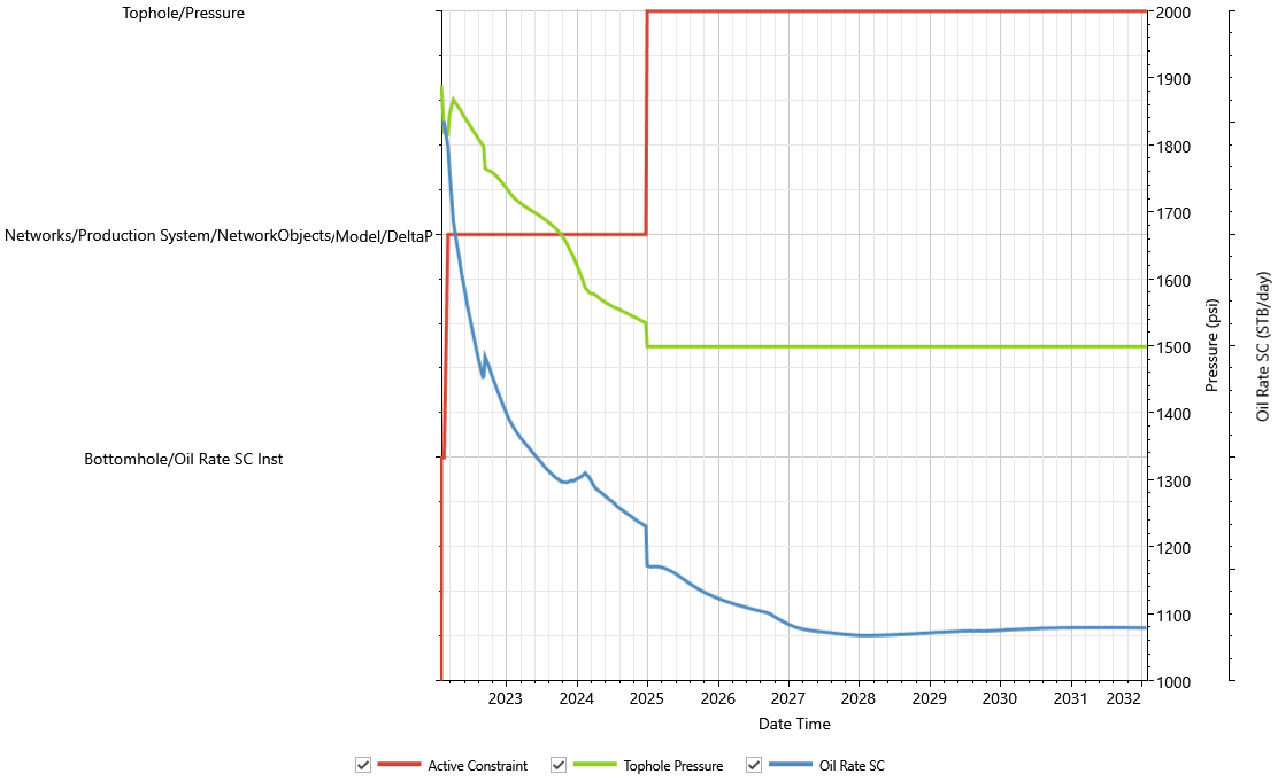
Figure 4: Displaying how back-pressure can cause dynamic well-head control
Insight: Surface back-pressure determine reservoir deliverability, directly controlling well performance.
3. Injection Strategy Drives Reservoir Performance
-
- Water Injection (VRR) maintains pressure
- Gas reinjection (Gi/Gp) balances reservoir performance
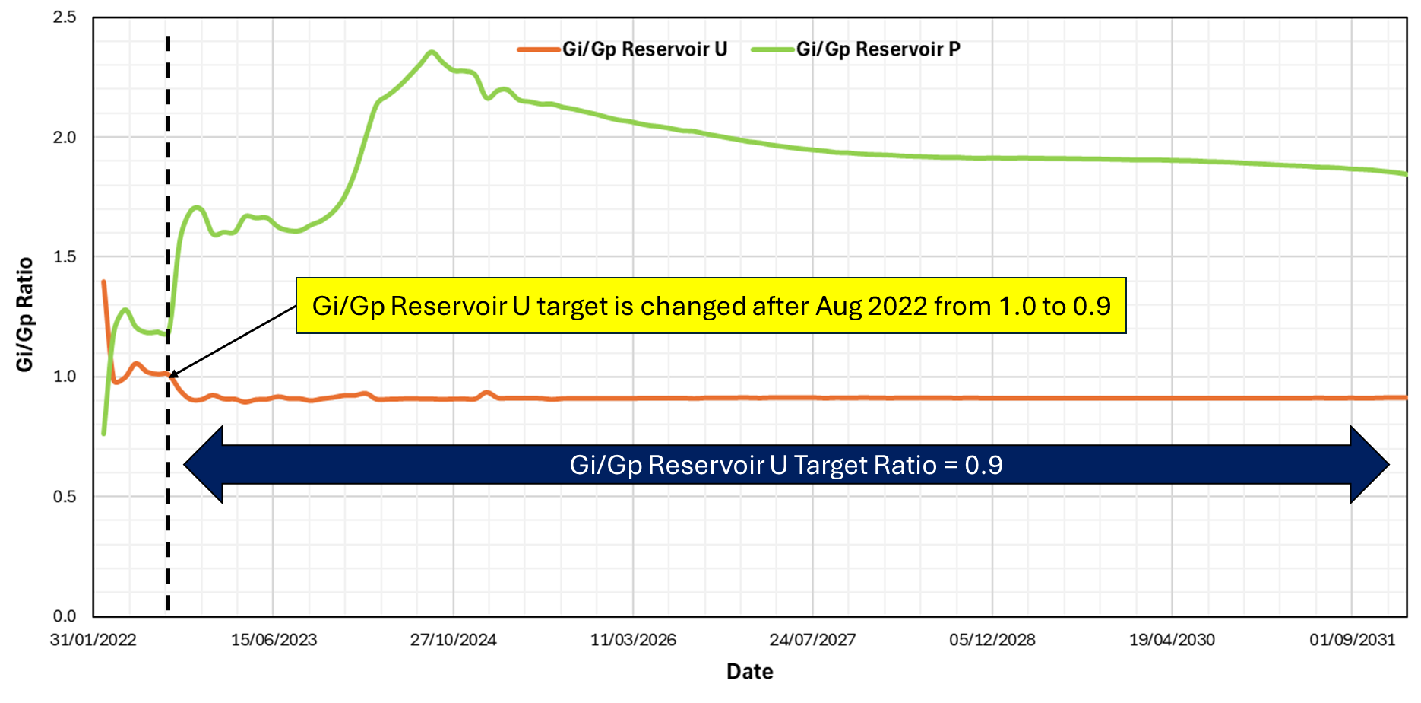
Figure 5: Gi/Gp Ratio of Reservoir U and P
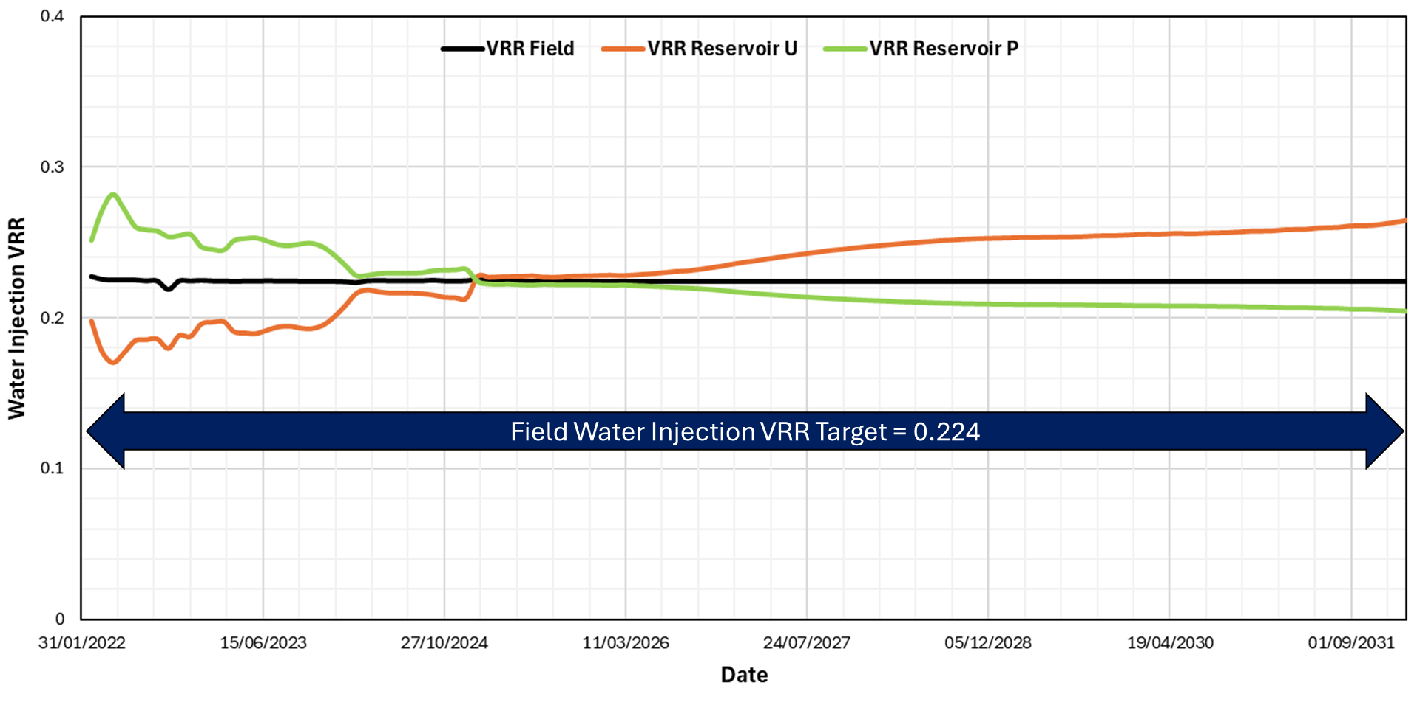
Figure 6: Water injection VRR (maintained at 0.224)
Insight: Injection strategy is not independent. It must be optimized across reservoirs and facilities simultaneously.
4. Integrated Modeling Enables Long-Term Forecasting
The model successfully simulated:
- 10+ years (base case)
- 16+ years capability overall
Insight: Long-term forecasting is only reliable when constraints and system interactions are fully captured.
5. Optimization with CMOST
Maximize Cumulative oil production over 10 yearsUsing only two operational parameters:
- VRR (Water Injection Rate)
- Gi/Gp (Gas Reinjection Ratio)
Methodology:
- Latin Hypercube sampling
- Proxy-based optimization
- AI-driven response surface modeling
Delivered:
- +5% increase in cumulative oil production
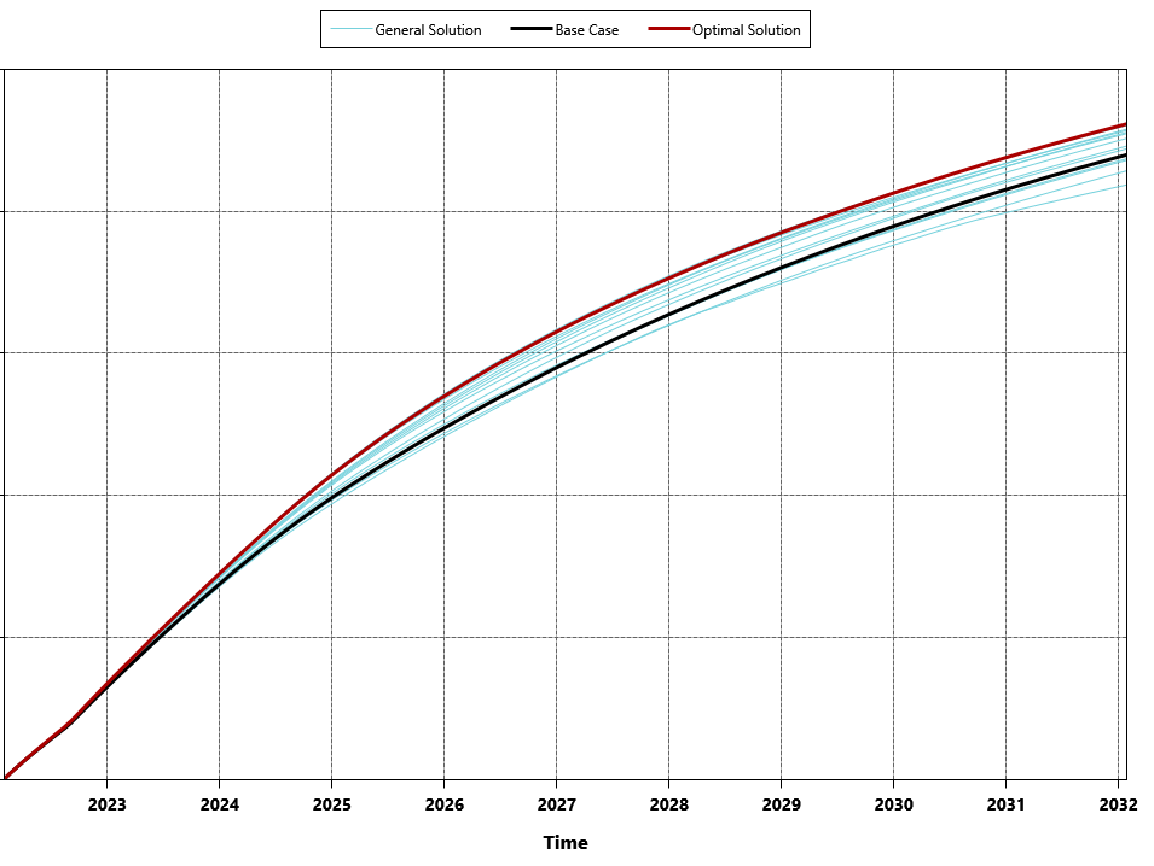
Figure 7: Field Oil Production Total [OPTIMIZATION OBJECTIVE FUNCTION]
Insight: Increasing injection improves recovery, but introduces trade-offs such as higher water production and operational costs.
6. Sensitivity Analysis (Key Learning)
- VRR is the dominant driver (~89% influence)
- Gi/Gp has secondary but non-linear impact
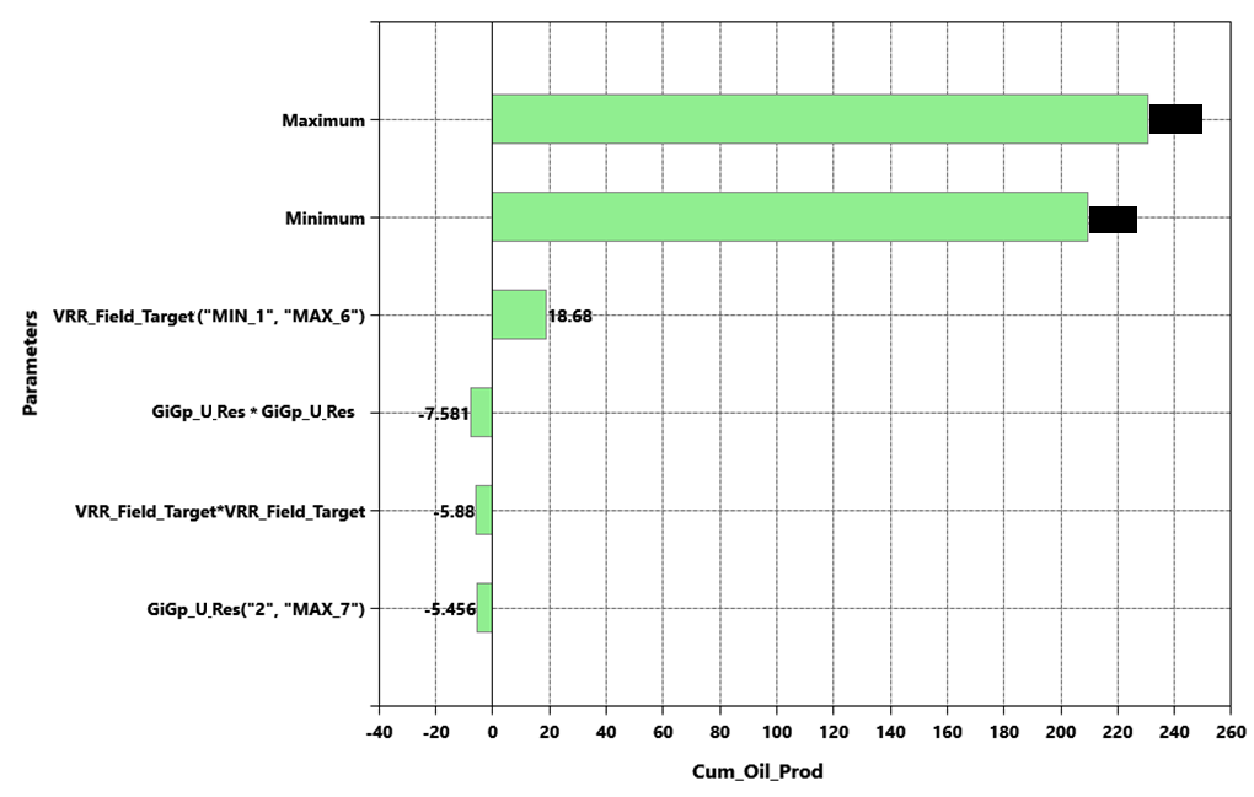
Figure 8: Results of sensitivity analysis #1 (Tornado Plot)
Insight: At high VRR levels, the impact of gas reinjection becomes less significant, highlighting the importance of prioritizing the right control variables.
Why CoFlow & CMOST Matter
- Unified subsurface, wells, and facilities into one model
- Eliminated need for external coupling workflows and complex scripts
- Robust and reliable models
- Enabled faster simulations (40x speedup)
- Allowed optimization under real constraints
- Provided probabilistic forecasting and sensitivity analysis
Key Takeaways
- Production is controlled by constraints and not just reservoir deliverability
- IPSM enables true end-to-end system modeling
- VRR is the primary driver of oil recovery
- Optimization requires balancing reservoir + facilities + economics
- CMG CoFlow + CMOST provides a fully integrated optimization workflow
Conclusion
This study demonstrates that optimizing deepwater assets requires a fully integrated understanding of how reservoirs, wells, and facilities interact under operational constraints.
By combining CoFlow’s integrated production system modelling with CMOST’s optimization capabilities, engineers were able to:
- unify subsurface and surface modeling
- significantly reduce simulation runtimes
- identify optimal operating strategies
- increase cumulative oil recovery by 5%
Ultimately, this approach transforms production forecasting from a fragmented workflow into a cohesive, system-level optimization process, enabling more informed decisions and improved asset performance.