We are innovators combining science and technology with deep industry expertise to solve complex subsurface and surface challenges. Learn more about the technology behind our solutions.
CMG has a rich history of bringing industry-first solutions to the market. Our expertise encompasses a broad spectrum of energy workflows and our technology can help energy companies navigate this complex landscape.
We are a global software and consulting company that combines science and technology with deep industry expertise to solve complex subsurface and surface challenges for the new energy industry around the world.
When we arrived at URTeC this week, we came with more than a new product. We came with a conviction that the software and workflows used to evaluate unconventional development needed to evolve alongside the industry's growing complexity.
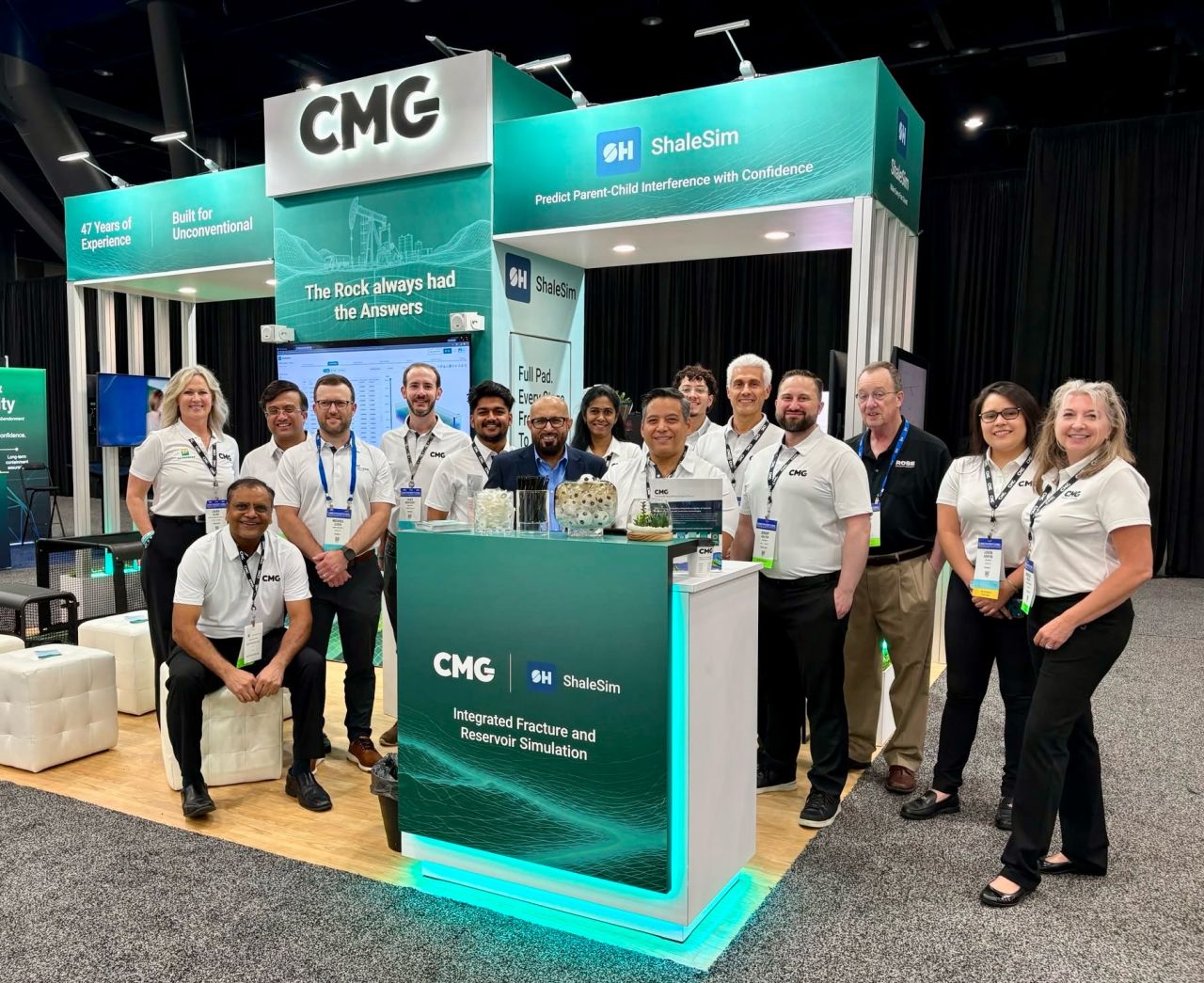
CMG Team at URTeC on Day 1
Launching ShaleSim was undoubtedly a milestone for CMG, but the real takeaway from the week wasn't the product announcement itself. It was the validation that the problem we set out to solve is one that the industry genuinely cares about.
That conviction didn't begin at URTeC. It began several years earlier.
It Started with Listening
Before writing a single line of code, we spent months talking to operators, engineers, and customers. We wanted to understand how unconventional development had changed and where existing workflows were falling short.
The conversations were remarkably consistent.
Operators today are being asked to make increasingly complex decisions. Longer laterals, tighter well spacing, parent-child interactions, and accelerated development programs have fundamentally changed how unconventional assets are developed.
Every additional well changes the reservoir. Every stage influences the next.
Small decisions made early in a development program can have significant consequences for recovery, production performance, and ultimately capital efficiency.
Yet many of these decisions are still evaluated through disconnected workflows. Fracture design, reservoir simulation, production forecasting, and development planning often exist as separate steps rather than parts of a single engineering process.
We didn't want to build another simulator. We wanted to simplify how engineers solve one of the industry's most challenging problems.
Building with Conviction
Once we understood the problem, the next challenge was deciding how to solve it.
Rather than extending an existing platform, we chose to build ShaleSim from the ground up. It was a longer path, but it gave us the freedom to rethink the experience entirely. Built on a modern, cloud-native architecture and the latest technology stack, ShaleSim was designed around the workflows engineers actually use today.
The journey was far from linear.
Solving More Than Physics
As the product evolved, one principle remained constant: solving the physics alone wasn't enough.
Engineers needed a solution that made it easier to evaluate development decisions, not one that simply added another technical tool to an already complex workflow.
That thinking shaped four defining characteristics of ShaleSim.
First, it had to be intuitive. Powerful physics should not come at the expense of usability, so the product was designed to help users get started quickly through guided workflows without compromising engineering rigor.
Second, it had to connect the entire workflow. Instead of moving between separate tools for fracture modelling, reservoir simulation, production forecasting, and development planning, engineers can evaluate these decisions within a single integrated environment.
Third, it had to be fast. Today's development programs require engineers to evaluate many more scenarios before committing capital. Faster simulation means more alternatives can be explored within the same decision window, giving teams greater confidence in the choices they make.
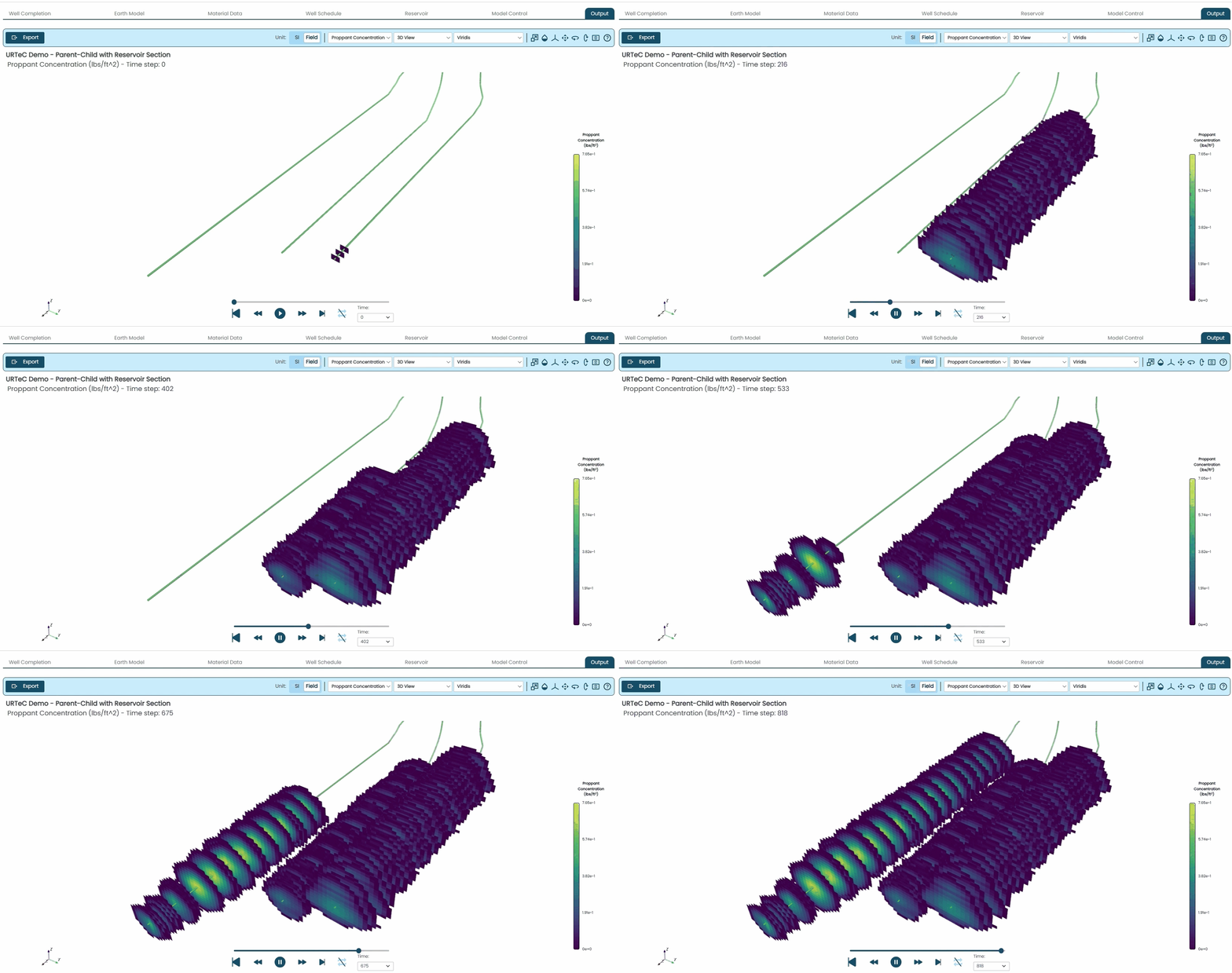
Finally, it had to scale. Modern unconventional assets are no longer evaluated one well at a time. ShaleSim was built to model full wells and full pads, capturing the cumulative interactions between stages, wells, and the reservoir itself. Understanding those interactions is fundamental to making informed decisions about spacing, sequencing, completion design, and recovery.
What URTeC Confirmed
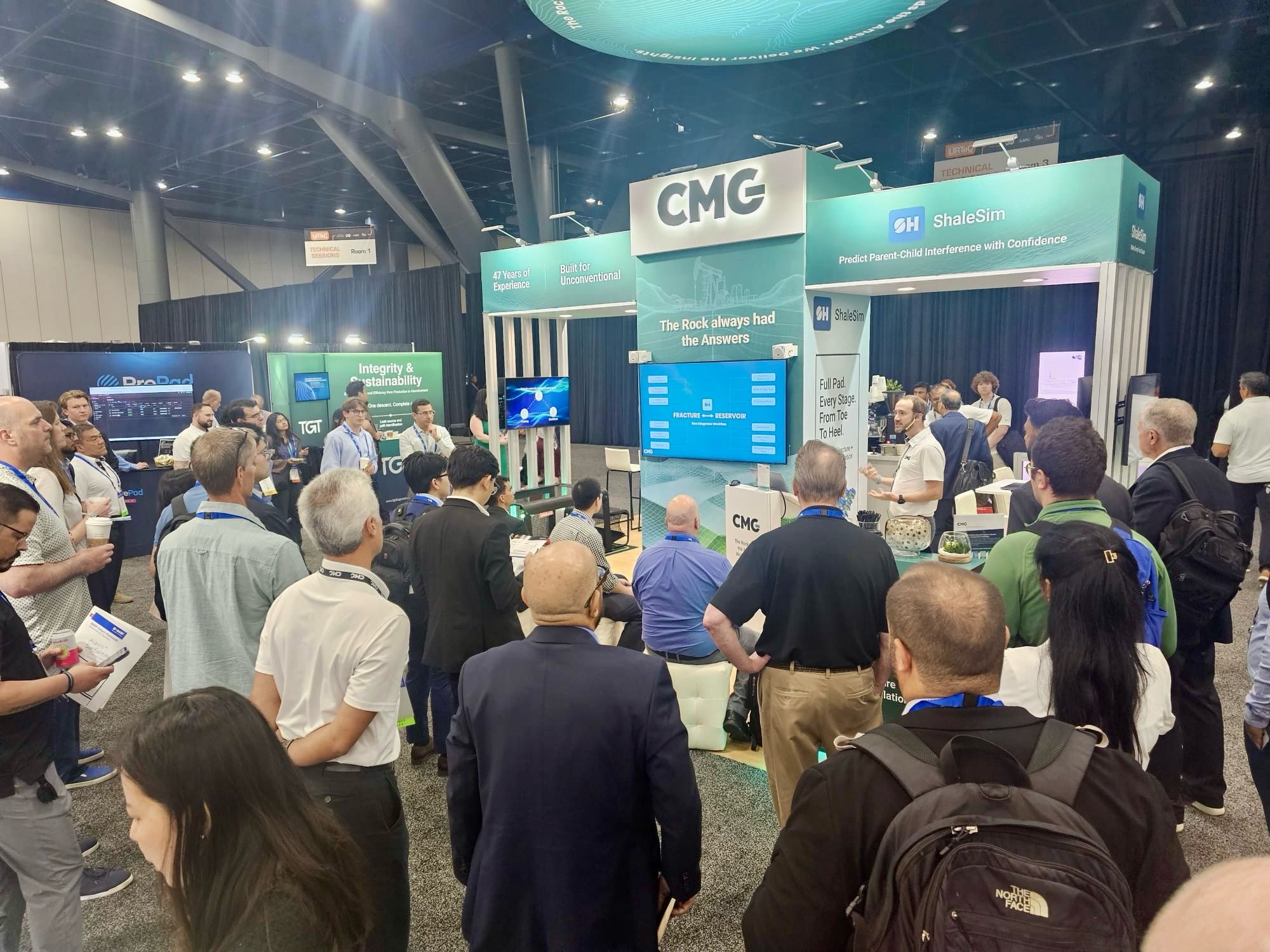
Over three days, our booth welcomed a constant stream of visitors. Engineers stopped by to discuss parent-child interference, stress shadowing, fracture interactions, and the practical realities of evaluating complex development programs. Our technical presentations attracted standing-room-only audiences, and the discussions often continued long after the sessions had ended.
They confirmed that operators are looking for workflows capable of matching the pace and complexity of modern unconventional development. They reinforced that helping engineers evaluate more scenarios, understand cumulative interactions, and make confident development decisions is a challenge worth solving.
A Celebration Shared with the Community
One of the highlights of the week was our launch event.
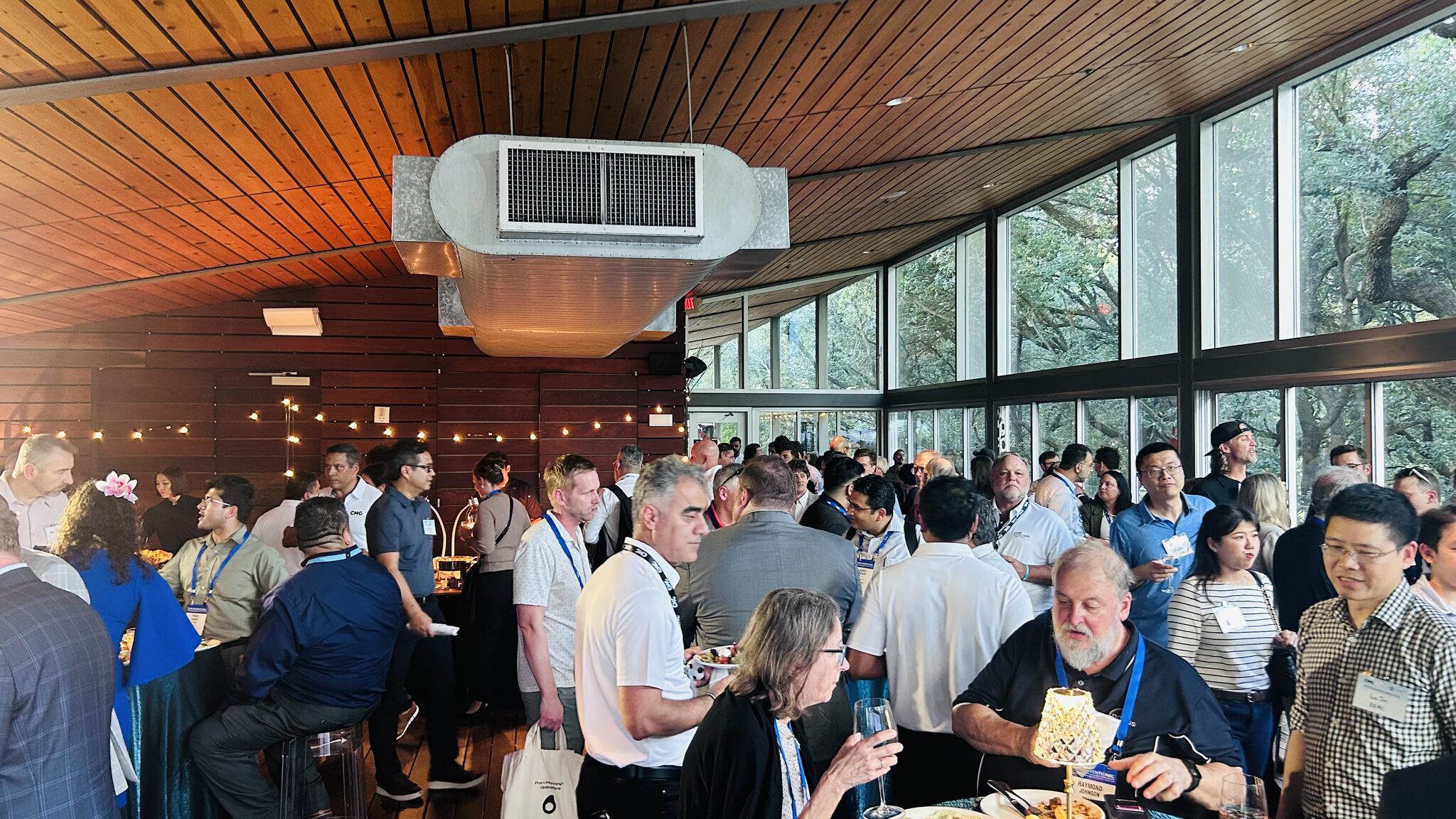
ShaleSim Launch Event
Seeing customers, early adopters, partners, colleagues, and friends gathered together was a powerful reminder that ShaleSim has never been built in isolation. Many of the capabilities demonstrated at URTeC exist because customers challenged our thinking, tested early versions, and shared their experiences throughout the development journey.
Their feedback didn't simply refine ShaleSim. It shaped it.
For that, we are deeply grateful.
The Journey Continues
Every product launch creates a sense of accomplishment, but it also creates a sense of responsibility.
The responsibility to keep listening. To keep learning. To continue improving.
The conversations we had at URTeC strengthened our belief that unconventional development will continue to demand faster, more integrated, and more scalable ways of evaluating complex engineering decisions.
ShaleSim represents our contribution to that future, but it is by no means the final destination.
We will continue working alongside our customers, refining the product, expanding its capabilities, and helping operators make some of the most complex decisions in unconventional development with greater confidence.