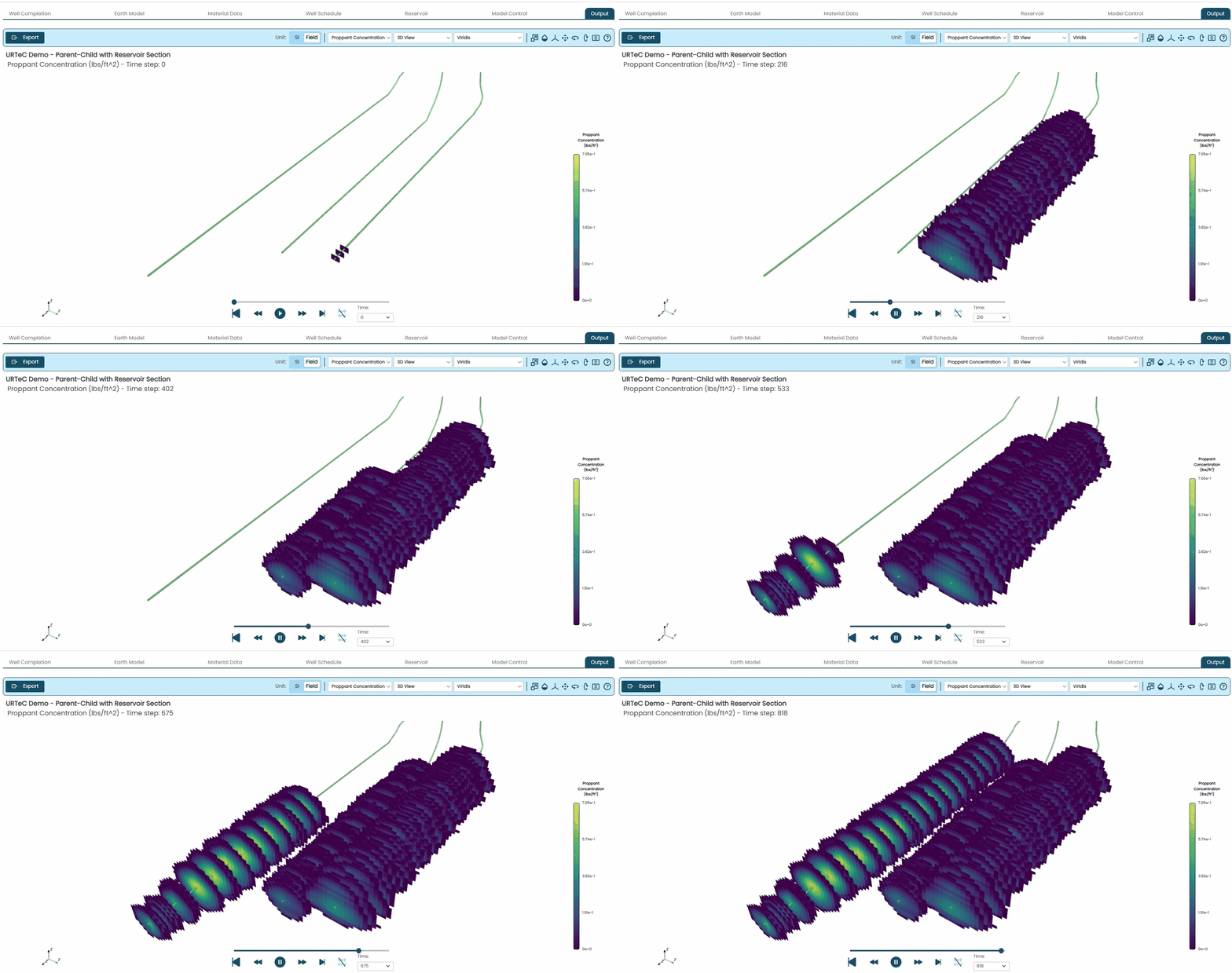

What’s New at CMG
Ongoing development focused on solver performance, numerical robustness, and extending modelling capability for increasingly complex reservoir and energy systems.
Driven by Increasing Model Complexity

Solver Performance & Parallelization
Enhancements to solver technologies focus on improving convergence behavior and execution time in models containing difficult non-linear complexities and large problem/system sizes.
- Integration of GPU-accelerated solver capabilities. Read more about the external benchmarking of IMEX on GPU
- 1.81x speedup in GEM between 2025.11 and 2026.11
- 1.3x speedup in Flexwell simulations
- Improved parallel scalability and speed when using distributed compute (MPI-based approaches)
- More efficient handling of tightly coupled well and reservoir equations
Advanced Physical Modelling
Updates expand the ability to model complex physical interactions where phase behavior and component coupling are critical.
- Extensions to equation-of-state, flash, and flow formulations to better capture phase interactions (including Cubic Plus Association – CPA – effects) in multi-component and solvent systems
- Improved handling of multi-stream injection processes, including automatic treatment of mixture properties and thermodynamic states
- Advanced 4-phase thermodynamic modelling to capture solvent-rich phase behavior in thermal recovery processes
- Improved representation of geochemical reactions, including pH-dependent reaction rates and mineral interactions

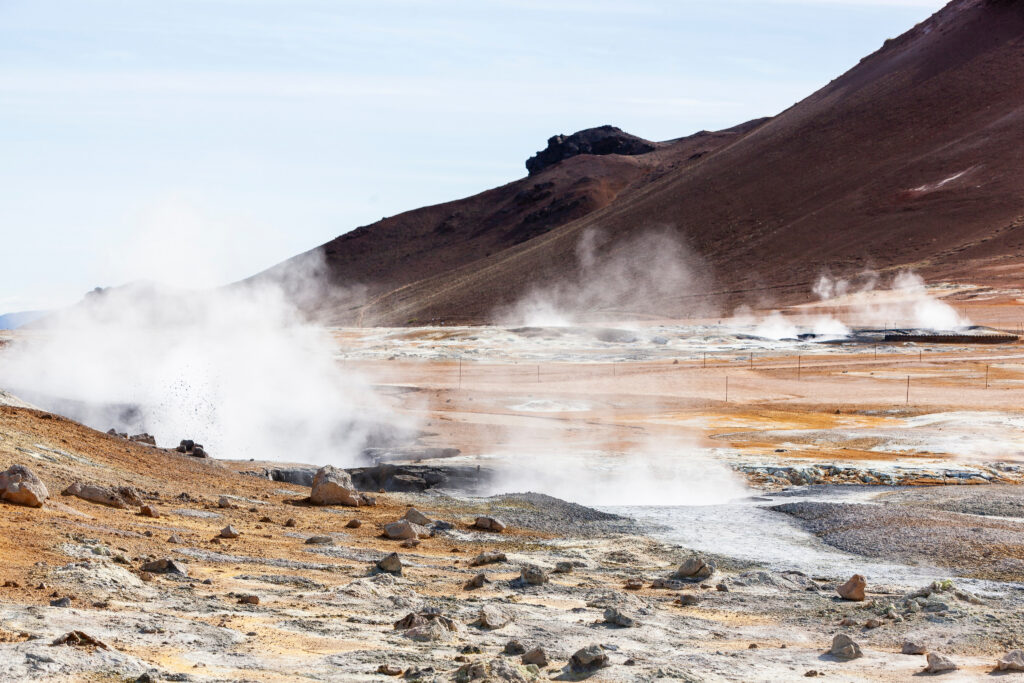
Energy Transition Modelling
Enhancements extend modelling capabilities for systems where geochemistry and fluid composition evolve over time.
- Direct support for externally defined reaction systems (e.g., laboratory-derived reaction formats)
- Enhanced boundary condition handling for multi-phase, multi-component flow across model limits
- Improved treatment of variable composition injection streams in carbon storage scenarios
- Improved subsurface hydrogen-storage using new Double and Extended Monod Kinetics
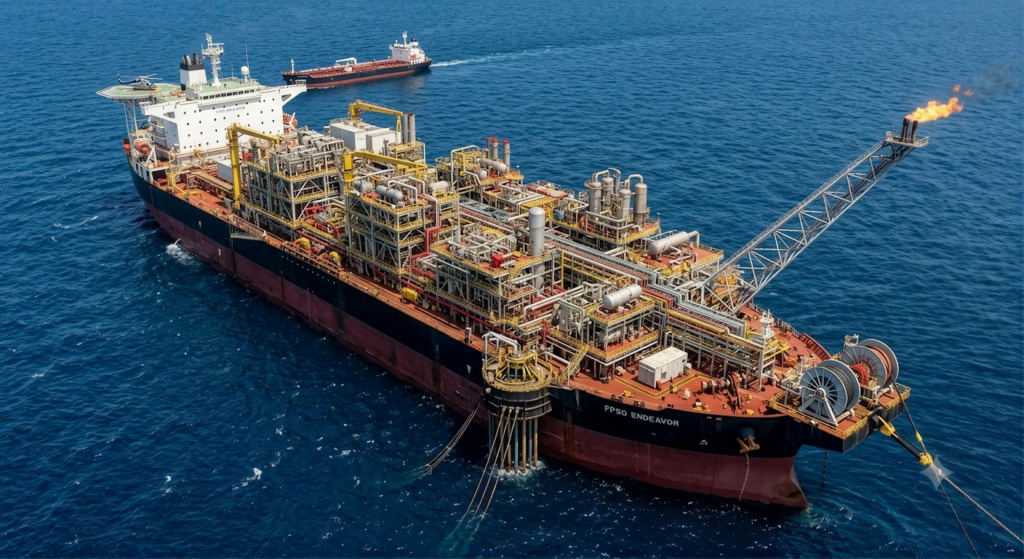
Integrated Reservoir-Surface Modelling
Updates improve the consistency of thermodynamic and flow calculations across coupled reservoir and surface domains.
- Improved handling of thermodynamic properties where enthalpy-based calculations are required
- Better alignment between reservoir conditions and surface network calculations
- Faster model and scenario setups through updated import workflows and wizards
- Increased flexibility in defining system-wide constraints and flow conditions
- New erosion modelling in CoFlow using API 14E and Salama methodologies

Model Handling & Workflow Efficiency
As model size increases, non-simulation tasks (loading, editing, extraction) may become bottlenecks. Recent updates target these areas directly.
- Improved load/save performance for large datasets, including better memory management during initialization
- More efficient grid refinement operations, particularly in regions with dense well activity
- Optimized submodel extraction workflows for localized studies within large domains
- Introduced new Load Summary Pane in Builder highlighting any errors or warnings for faster insights
- Direct import and export of OSDU compliant RESQML models
Product Yearbook 2025
All major releases, enhancements, and what they mean for your simulations!
Evaluate these updates (and more) in the context of your models
The impact of these changes depends on model size, physics, and workflow requirements. We can review your current setup and identify where these improvements apply.